
A rapidly escalating international crisis has unfolded following large-scale military operations launched by the United States and Israel against targets inside Iran, marking one of the most significant confrontations in the region in recent years.
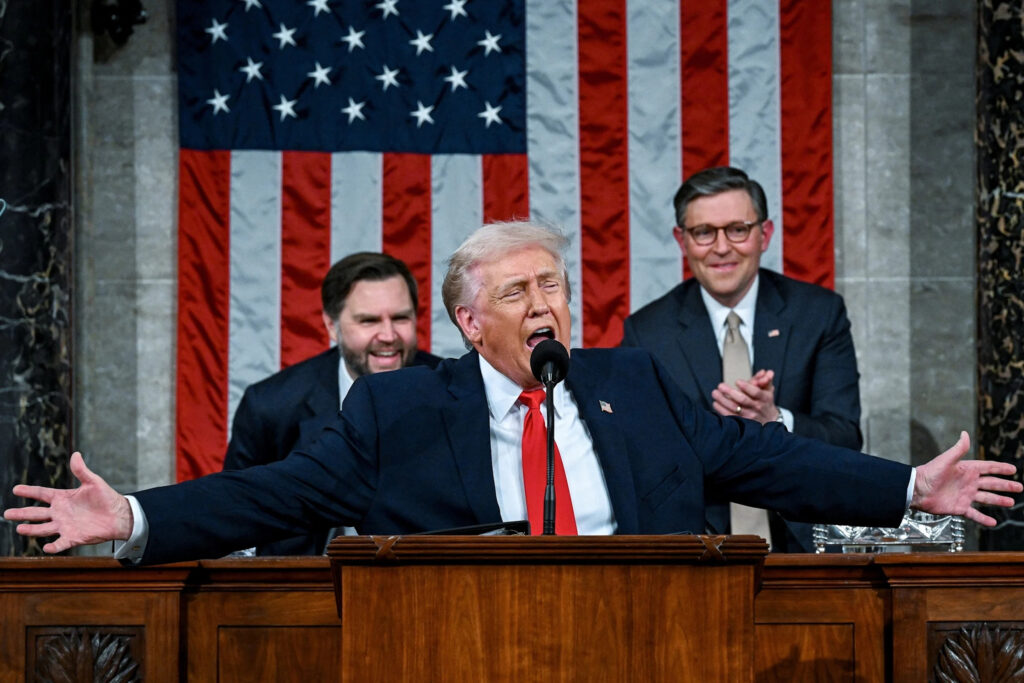
The operation was announced by President Donald Trump, who confirmed that U.S. forces had begun what he described as “major combat operations” aimed at key military and government installations inside Iran.
The strikes were conducted in coordination with Israeli forces and reportedly targeted command centers, missile facilities, military infrastructure and other strategic sites.
Iranian state media later confirmed that Ayatollah Ali Khamenei, the country’s Supreme Leader, was among those killed during the airstrikes that struck parts of Tehran.
The Iranian government has not yet announced an official successor to Khamenei, leaving uncertainty around the future leadership of the country.
Following the attacks, Iranian forces launched retaliatory operations involving missiles and drones aimed at Israel, as well as at locations hosting U.S. military forces across the Middle East. Several Gulf nations that host American bases were also placed on heightened alert as the situation continued to develop.
Meanwhile, Israel, led by Prime Minister Benjamin Netanyahu, has continued military operations against the Iran-backed militant group Hezbollah in Lebanon, intensifying a campaign that has been ongoing for years but has now expanded amid the broader conflict.
U.S. officials stated that thousands of targets inside Iran have been struck since the beginning of the operation. Military sources indicated that more than 3,000 targets connected to Iranian military and defense infrastructure were hit during the initial wave of attacks.
At the same time, new intelligence concerns have emerged. According to U.S. officials familiar with classified assessments, the United States believes that Russia, led by President Vladimir Putin, may have provided Iran with intelligence information regarding the locations of American troops, aircraft and naval assets operating in the region. Intelligence officials say this assessment is still being analyzed but has raised serious concerns within the U.S. government.
President Donald Trump also addressed the conflict publicly, stating that negotiations with Iran would only be possible if Tehran agrees to what he called “unconditional surrender.” His remarks signaled that diplomatic options remain uncertain as the military situation continues to evolve.
As the conflict intensifies, governments across the Middle East and the wider international community are closely monitoring the developments, while military forces remain on high alert across the region.
The situation remains fluid, with ongoing strikes, retaliatory attacks and geopolitical tensions continuing to reshape the security landscape in the Middle East.