Federal immigration authorities are facing renewed scrutiny after advocates and attorneys alleged that children are being held in custody far longer than the limits generally established under a decades-old court agreement.
At the center of the controversy is the Flores Settlement Agreement, a 1997 legal accord that federal courts have interpreted to generally limit the detention of minors in immigration custody to about 20 days.
Immigration advocates argue that recent cases show families with children being detained for significantly longer periods.
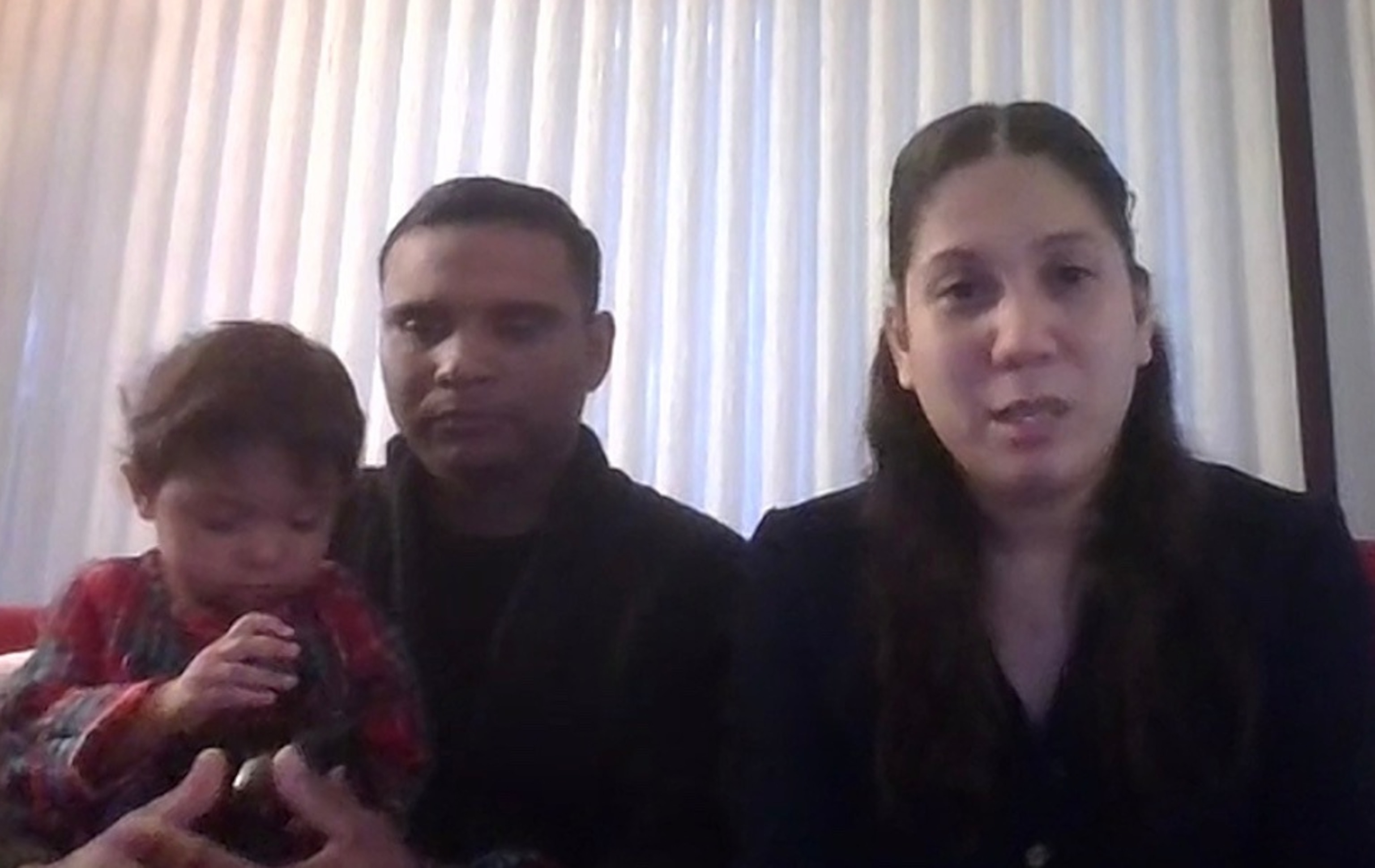
One of those cases involves Khelin Marcano, her husband Stiven Prieto, and their 1-year-old daughter, Amalia.
The family was detained for approximately 60 days at the South Texas Family Residential Center in Dilley, Texas, according to their attorney, Elora Mukherjee.
The facility, which previously closed during the Biden administration, was reopened amid intensified immigration enforcement policies under President Donald Trump’s administration.
Marcano told reporters that she and her husband had been attending routine appointments with Immigration and Customs Enforcement (ICE) without incident.
However, during a December visit, the family was detained and later transferred from El Paso to the Dilley facility.
Their 60-day detention period, according to their legal team, exceeded the timeframe generally contemplated under the Flores agreement.
The Department of Homeland Security (DHS) confirmed that the family had previously been released into the United States under policies in place during the Biden administration.
A DHS spokesperson stated that Flores has, in the department’s view, constrained executive authority over immigration enforcement and that the current administration is seeking to restore what it calls “common sense” immigration controls.
Marcano and Prieto entered the United States in 2024 using the Customs and Border Protection mobile application that was available at the time.
According to court filings, they were processed and granted parole while they pursue asylum claims. Their first immigration court hearing is reportedly scheduled for 2027.
During their detention, Marcano said that Amalia developed a persistent fever and respiratory symptoms.
According to a habeas petition filed on the family’s behalf, the child was eventually transported to outside hospitals and diagnosed with COVID-19 and a respiratory virus.
The petition alleges that medical equipment and medication prescribed at the hospital were later confiscated upon their return to the detention center.
DHS has not publicly detailed the specific medical allegations but maintains that detention conditions comply with federal standards.
The case has drawn attention from immigrant rights organizations, including RAICES, which has reported that roughly 1,400 individuals, including children and parents, were being held at the Dilley facility as of last month.
Advocates argue that prolonged detention can have long-term psychological and physical effects on children.
Similar concerns have surfaced in other states. In Minneapolis, 5-year-old Liam Conejo Ramos was detained along with his father while returning home from school, according to local officials.
Another child, 11-year-old Elizabeth Zuna Caisaguano, was reportedly detained for more than a month alongside her mother, according to attorney Bobby Painter.
Federal authorities have not publicly disclosed details about those specific cases but have stated that enforcement actions are conducted under existing immigration laws.
U.S. Representative Joaquin Castro of Texas has previously raised questions about immigration detention practices and has called for oversight in related enforcement matters.
Legal experts say federal courts continue to play a central role in interpreting the Flores agreement and determining whether current detention practices comply with its requirements.
DHS has emphasized that families have the option to use government programs that facilitate voluntary departure.
The department has also stated that individuals in the country without lawful status may receive financial assistance and travel arrangements if they choose to leave voluntarily.
Since their release, Marcano said her daughter’s health has improved.
However, the family remains uncertain about the outcome of their asylum case and what future enforcement actions may bring.
The broader legal debate over child detention, the scope of the Flores Settlement, and executive authority over immigration enforcement is expected to continue as federal courts weigh ongoing challenges and policymakers consider potential legislative changes.